
Through the chronic illness looking glass (Part II)
Navigating the Workplace as Someone with a Chronic Illness

This is the second of six articles exploring the connections between chronic illness, degrowth, climate change, and capitalism:
Part I: An introduction to navigating chronic illness and current events
Part II: Navigating the workplace as a someone with a chronic illness
Part III: Questioning and relearning what it means to take care of the self
To read Part I of this series, click here.
Working Hard & Hardly Working
When I quit my job, my fatigue was severe enough that I barely made it through the work day, and within an hour of getting home I’d be asleep. This meant I had, quite literally, no life outside of work: I woke up at 6:30 to get to the office by 7:30, returned around 4:45, and by 5:30pm I’d be in bed. Sometimes I managed to make it a “nap,” rising in the evening to eat something my partner had made for me, only to go straight back to bed and repeat the same schedule the next day. Needless to say, I was pretty miserable--and not just because my job wasn’t fulfilling. The energy required for a full day of work--8 or 9 hours of focus--was more than one night’s sleep could supply. By the end of each week, I knew I would need the entire weekend to recover my energy, just to go back and do it again.
This left very little time for any kind of self-care, community care, family, or friends. My life was sleep, work, sleep--and remember to eat, when I could. The worst part was that my job wasn’t even necessarily demanding--the tasks were relatively easy, and I certainly wasn’t doing any physical labor. But even sitting at a desk and focusing on something for multiple hours was enough to zap my energy and leave me longing for sleep.
After quitting, my symptoms got even worse, as if my body recognized that this was an opportunity, and seized it like my life depended on it. With the opportunity of rest, the body finally collapsed under the weight of 25 years of “productivity.” My life thus far had been a capitalist’s dream--primary and secondary school, straight into undergraduate education, with a postgraduate education following quickly behind. I started working full-time before I even finished my Master’s degree. Not a single “break” in sight. I didn’t even really question it--this pathway was relatively normal, and many of my peers had similar stories. To think of taking a significant break from school or work meant wasting valuable time, but worse, it would “mark” you as unproductive. If you weren’t doing something that couldn’t go on a resume, it wasn’t worth the time.
In my field, this pressure to be productive was even greater. In terms of climate change, time is of the essence. There is absolutely no time to waste, and so that break, that vacation--it must wait. Or at least that’s how it felt. The urgency of the problem was intoxicating, and the pressure from the sustainability world was inescapable.
When my body seized the opportunity to rest, the consequences of that lifestyle caught up to me. For months, I could barely get out of bed. Showering was a struggle, cooking a meal was a nonstarter, and talk of returning to a 40-hour work week fell squarely in the non-sequitur area. This presented a problem, because I could only survive for so long without income. Thankfully, I had the support of family and friends, which made this transition much easier, but it also made some other things very, very clear.
Navigating A Seriously Broken System
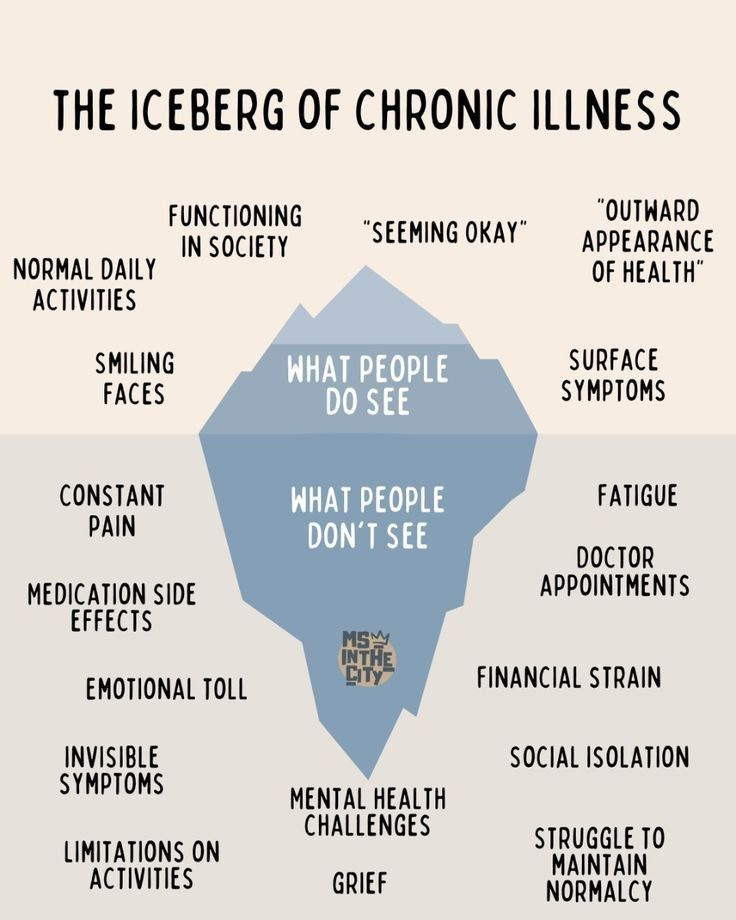
The first thing that became clear to me was that I know next to nothing about how to navigate a disability when it comes to work. Just like taxes, mending/sewing, and other important life skills, disability rights in the workplace were not taught in school. Even more fundamentally, did what I was experiencing even qualify as having a disability? Obviously, my life looks different now than it did before, but does it look different enough? Are my challenges challenging enough? Where’s the line that distinguishes between what counts as a disability, and what doesn’t? And who decides these things?
Even if Long COVID qualified as a disability for which I could receive accommodations at work, it would require a diagnosis from a doctor. When I first brought my fatigue up to my primary care doctor, he outright dismissed my concerns, citing “lifestyle choices” (I don’t eat meat) as the primary cause. In the coming months, I would see one well-meaning doctor after another, all working within a broken system, leaving me with no clear understanding of what was wrong, not to mention the additional fatigue from having to constantly advocate for myself. Whether it’s because I identify as a woman, because Long COVID is still poorly understood, because the United States’ neoliberal healthcare system discourages deep exploration of the root of an issue, or a combination of those and more, I found my experiences, my fatigue, my malaise, being dismissed as nothing to be too concerned about. When I finally found some doctors who took me seriously, I was faced with months-long waits for appointments, dozens of diagnostic tests and labs, and thousands of dollars in medical bills. Waiting upwards of 6 months for a doctor’s appointment, and high out-of-pocket costs despite still having health insurance through my former employer, are clear signs of a deeply broken healthcare system. Not only was I waiting many months (sometimes almost a year) and then paying through my nose for doctors to tell me they couldn’t figure out what was wrong, but there was no one to help me navigate the medical system when I barely had energy to make myself breakfast. The associated impacts on my mental health were unsurprisingly devastating--enough to bring my mother across the country and to almost admit myself to an out-patient mental health program because I was reaching the end of my ability to handle the sudden poor quality of life and the lack of anyone being determined to help. I knew the medical system was broken in the United States--under-funding, outright removal of funds, and legislated bureaucracy had resulted in a system no healthy person could easily navigate, let alone sick ones--but boy was I unaware of how bad things actually were until I was forced to navigate it myself while barely functional.
Never mind the initial experience of trying to figure out the issue, though; what if Long COVID didn’t qualify for disability support? If I couldn’t work a 40-hour work week because of my energy-limiting illness, did that mean I would have to piece together part-time jobs for the rest of my life, which often means no health insurance, or other benefits?
Left to Fend For Ourselves
The second piece of clarity that this experience provided is the realization that I’m completely unaware of the extent to which we (society) shield folks with disabilities from discrimination in hiring and around the workplace. I know employers aren’t supposed to discriminate in their hiring practices -- but how does that work in practice? I would assume that some jobs are automatically out of reach for me, especially ones that require a lot of physical labor, but why would anyone hire someone who might have to call out frequently due to chronic illness flare-ups when there’s an able-bodied alternative? Even if I do get a job, would I be passed over for promotions because I wasn’t able to take on as much work as my fully-energized colleagues? Would I be expected to spend all my energy on work, minimizing my personal life so that I could compete with others? In a system that sees employees as sources of productivity, hiring someone with an energy-limiting disability is like consciously choosing to make less money. Not because I’m lazy, or work less hard, but because I’m starting with scarcer resources than others. Some organizations might do it because they have certain values or morals, but they risk getting eaten up by the bigger money-gobbling conglomerates. Others might try to do it, or truly believe they are accommodating everyone’s needs -- but the truth is, as long as we all exist in a system that strives to maximize productivity and profits over the well-being of employees, we’re beholden to the underlying mechanisms of that system. At the end of the day, if it’s productivity and profit that the system says matter, every company is forced to submit, at least in part, to that agenda.
Understanding the Multiplicity of Disability
The third is that the voices of those with disabilities have not been given enough space and support. Disability looks different for everyone, and each disability presents unique challenges. Someone like me, with an energy-limiting chronic illness, is challenged by very different circumstances than someone who can’t hear, and that person’s challenges look wholly different from someone who is neurodivergent. Grouping all disabilities together, and presenting a one-stop solution of “accessibility,” is like expecting everything edible to taste the same. It’s a ridiculous proposition, full stop.
I have yet to attempt re-entering the workforce. But for now, I still have many unanswered questions, including where I can find support, or where I can learn more about how to navigate these challenges. What rights do I have? Surely there are others facing similar challenges, or who have in the past? Clearly, I have some research to do, but I think my lack of knowledge on the subject also reflects a broader mainstream ignorance--and an opportunity to improve how we talk about differing workplace needs.
In the meantime, without a job to report to, it was high time I started looking after myself. Or, more realistically, figuring out how to navigate meeting the needs that my new existence demanded. More on self care in Part III...
 | A guest post by
|
Thanks for this. I'm only moderately disabled (by chronic headaches), but, as a fellow American, I really feel a lot of this. I'm in the process of applying now for a job that would put me back at an almost full-time workload, with benefits. (I'm applying for the health insurance.) And I know it would be hard to maintain without the health collapse that led me to leave full-time work (and lose my health insurance) in the first place. Still, it seems the less insecure of option. No end in sight, always exhausting.
Dear Lily, thank you for reporting and reflecting upon this very personal experience, so ingrained in quite sick societal realities. In Europe we can only gape in disbelief at what the US health system does to its users (victims?). We know how it happened that our modern societies assume that no-care and no-solidarity is the norm for human beings, but it is valuable to read about concrete experiences.