
Through the chronic illness looking glass (Part III)
Questioning and relearning what it means to take care of the self

This is the third of six articles exploring the connections between chronic illness, degrowth, climate change, and capitalism:
Part I: An introduction to navigating chronic illness and current events
Part II: Navigating the workplace as a someone with a chronic illness
Part III: Questioning and relearning what it means to take care of the self
To read Part II of this series, click here.
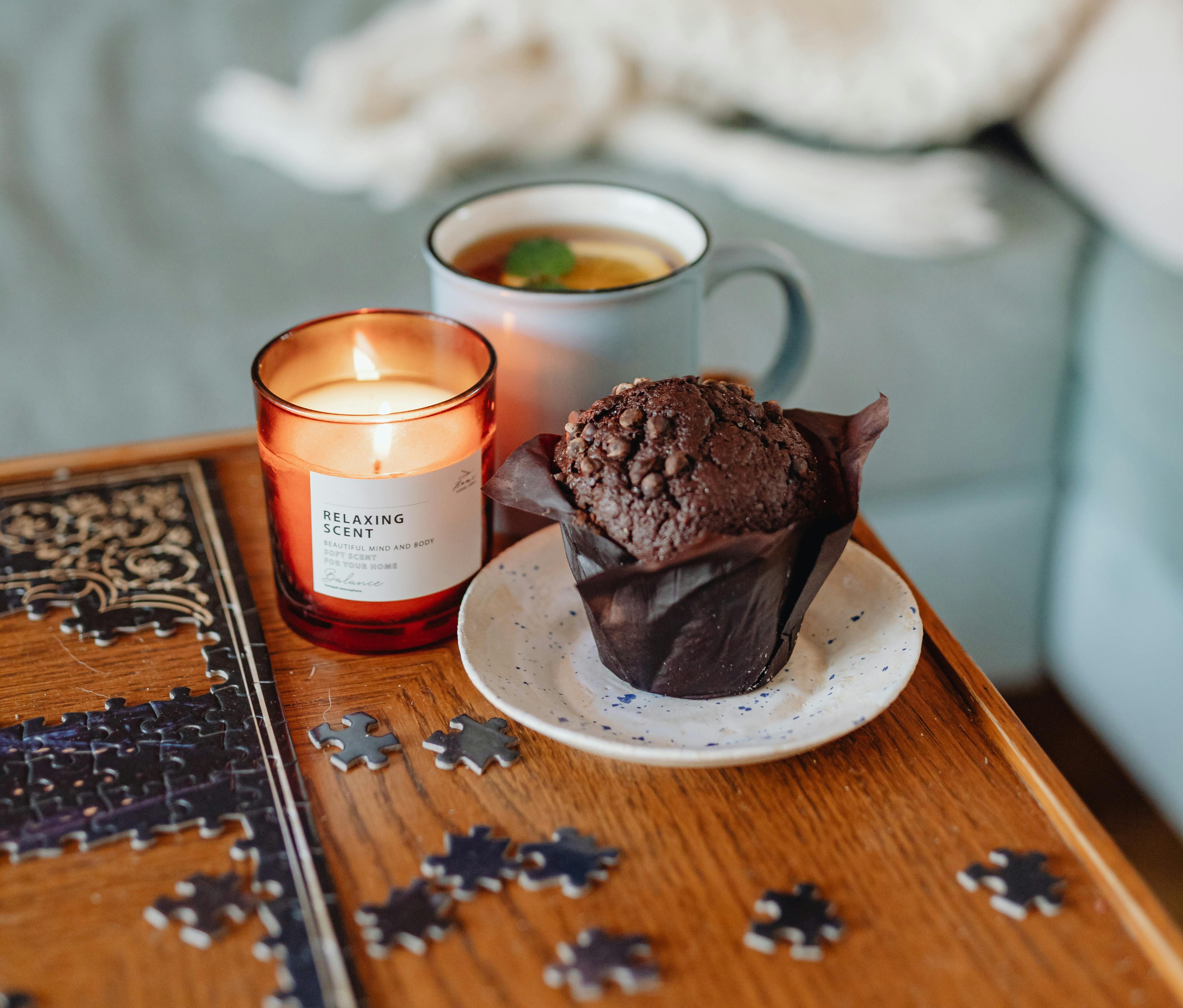
Self-Care, Discontinued
Upon hearing that I’d had to quit my job, my friends and family naturally wanted to know what I planned to do next. My answer, although a logical response to a sudden illness, didn’t really hold any meaning for me—or so I’d learn. “I’m going to take this time to rest and care for myself” was the automatic voice message that played whenever anyone asked about my plans. But what didn’t play out was any kind of conversation about what that actually looks like.
And it turns out that I had no idea what self-care looked like.
For decades, consumerist profit-driven industry (particularly in individualist countries like the United States) has slowly dismantled the care networks that exist within close-knit communities and replaced them with marketable “products” that are purported to help you reclaim your youth, joy, and beauty while actually making you lonelier, sadder, and poorer. Maybe it’s not fair to blame everything on industry, after all, many of them are just trying to survive in a cut-throat capitalist system. Perhaps our own ultra-individualist culture is to blame. But either way, the result is a population of people who are desperately trying to heal themselves with products or habits that, at best, do very little, and at worst, actively make things worse.
As the empty days went by, and my bad habits realized they had nowhere to hide, I was able to pick them out, one by one, and realize what was helping—and what wasn’t. I can’t fully credit myself though—a lot of this realization came with the help of experts and professionals—not doctors or medical professionals in the “health”-care industry, but rather a small group of individuals who have been thinking critically about what wellness really looks like.
I happen to follow the Wellbeing Scientist on Instagram. Run by a PhD student who is studying this exact topic, @thewellbeingscientist_ account explores how capitalism, individualism, colonization, racism, and climate change are all connected to our increasing lack of wellbeing. She also explores what true wellness does look like. I’ll give you a hint: it’s not $7 matcha lattes, avocado toast, strict workout routines, and juice cleanses. It turns out that “self care” isn’t really something that you can do by yourself—or rather, that “self care” is perhaps a myth we’ve been taught to believe we need when, in fact, what we actually need is community care.
It doesn’t help that the American healthcare system is actively treating symptoms, but not bothering to question underlying cultural structures and institutions that contribute to the existence of those illnesses in the first place. But of course, the healthcare system exists under the same capitalist pressures as everything else—it’s a trillion-dollar enterprise, and it needs money to survive. Why would the healthcare system treat our illnesses effectively if they can just as easily get us hooked on symptomatic relief that keeps us coming back for more? If they were to invest in actual prevention, there would be little demand for their services.
As I dove into this concept of community care, I moved away from the immediate fear I had felt once I realized that my limited understanding of “self care” was actually a function of the system I existed in, rather than a personal failure. I found many other creators, researchers, experts, and community members who echoed similar sentiments:
“I don’t need therapy. I need public spaces where people can gather without having to spend money, community centers that actually are funded and accessible, libraries open seven days a week with free programming, parks and green spaces within walking distance, free community classes and skill sharing spaces, multi-generational housing that combats isolation, community gardens and shared meals, time banks where we can exchange skills and support, public transportation that connects community.
“I don’t need therapy, I need affordable housing policies that create stable communities, universal healthcare that removes financial barriers to wellness, living wages that allow time for community engagement, paid family leave and flexible work policies, free mental health crisis response teams, community-owned businesses and cooperatives, participatory budgeting for community health resources, environmental justice initiatives for healthier communities, universal basic income to reduce chronic stress, restorative justice programs that heal community trauma.
“Therapy is vital, but it’s not enough on its own. We need to rebuild the village that makes healing possible, because when we invest in community care, we’re not just treating symptoms, we’re actually creating conditions where everyone can truly thrive” — The Wellbeing Scientist (quote from a video posted on her Instagram page).
Unsurprisingly, many of these experts’ work exist within networks and communities of people who face oppression daily, or who have been experiencing the systematic breakdown of their own communities by the powerful, structural forces of government for decades—and the work came from a place of necessity, of needing to build resilience against the privileged, oppressive systems and people that make up much of the Global North. Instead of failing to fully convey their insights with my own words, I’ll share a couple of my current favorites here (Christabel Mintah-Galloway, Collective Rest, and Mumbi poetry) and encourage you to explore their work.1
But where does all of this leave me in terms of my new circumstances? Unfortunately, it meant that “taking time to rest and recover” was going to be a lot harder than I had anticipated. Because it meant relying on others and strengthening relationships—which would require participation and effort from more than just me. I needed to take inventory of my life, my family, my friends, and figure out which parts could be strengthened, and what needed to be composted—returned to the earth to help sow new and better seeds of the future. But once again, I was faced with a larger issue—my wellness wasn’t fully within my control. It depends on the shape and texture of the place I call home, too.
All of this is true, but it doesn’t mean I can’t work with what I do have. As much as I would like to say it was strength and determination that made me take a deep breath and start developing the community I needed, it was something more akin to necessity. Somewhere along the way, I realized that raging about the circumstances of my poorly-built country (and our lack of communal spaces) wasn’t going to solve anything. And although I may not be able to change much about how the United States functions right now, I can start small, working on building community where and when I can—planting seeds everywhere, composting that which doesn’t serve me, and feeding everything else with love and hope.
If nothing else, it’s clear that in order to truly be well, we need to start rethinking how we shape our institutions and care for each other. Only by taking care of the whole can we take care of the self. And an integral part of taking care of yourself (and your community) is in finding joy. More on that in Part IV…
It’s important to note that a lot of this work is done by and for communities that I am not part of. By sharing these platforms, I am not encouraging those within positions of privilege to co-opt these ideas or assume any of this work is being done for our benefit--because it’s not. Our place is to listen, learn, reflect, and then start working on making our own communities healthier.
 | A guest post by
|
Really really good Lilly! I