
Nuclear power, climate conferences, and data centers
Interview with Ketan Joshi

Ketan Joshi is a freelance analyst / writer, based in Oslo, Norway. He works with a range of climate and energy groups to advocate for, analyse and report on major issues in this space. He is currently writing about fossil fuel extraction, data centre growth and greenwashing / climate delay.
Vlad Bunea: Some people continue to deny the reality of the climate crisis. From those who recognize the facts there are some that believe we can innovate our way out of the crisis with carbon capture, nuclear power, and basically electrify everything. Others have pointed out the impossibility of harvesting all minerals to build a new energy system while maintaining the same levels of energy consumption. Others have pointed out that sufficiency should determine how we look at energy production and consumption. First, what do you think is wrong with nuclear power, including the new, less harmful reactors with thorium, and other “green” technologies? And second, should we think about energy solutions by starting with a solid foundation of principles around the idea of sufficiency, then move to developing the appropriate technologies?
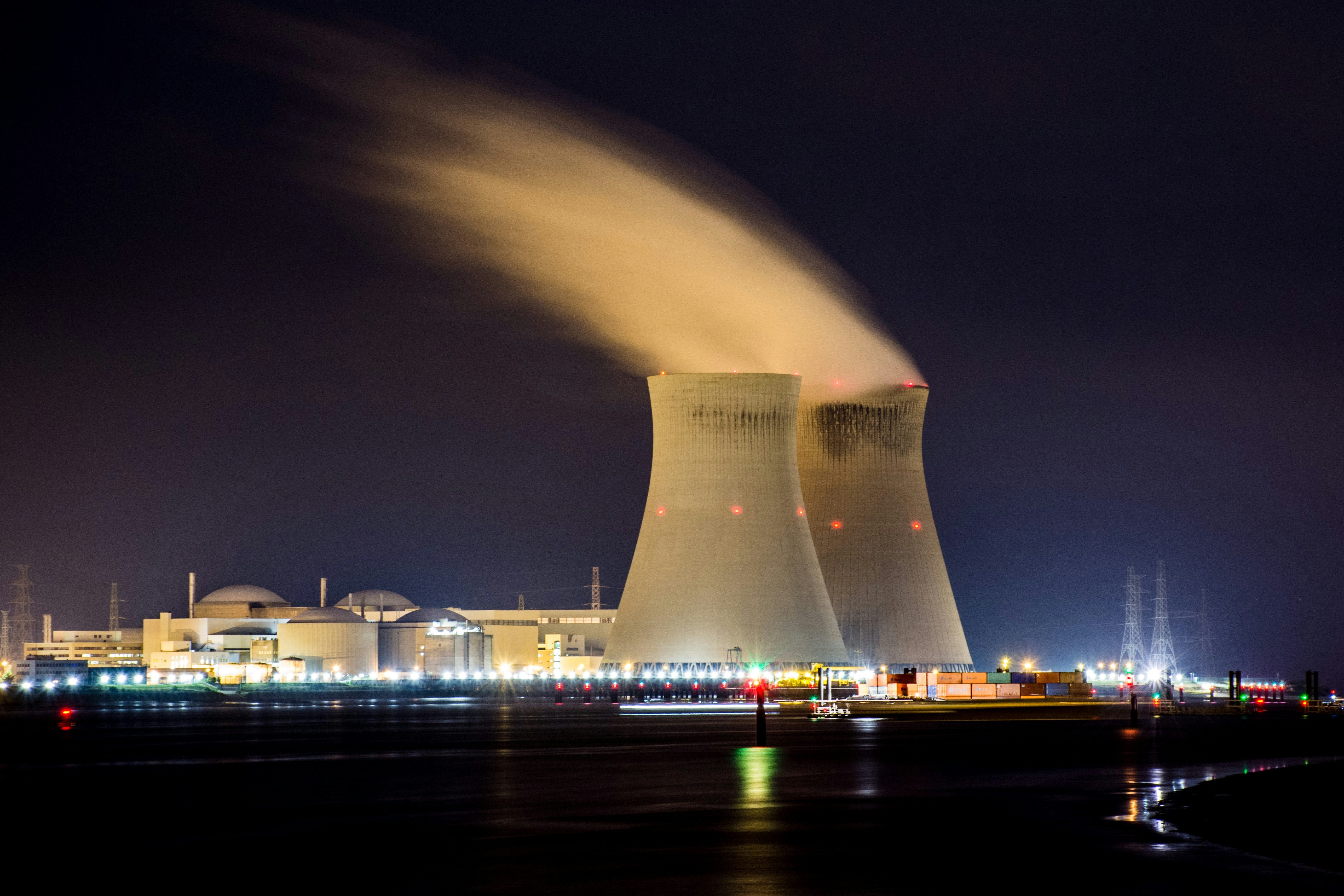
Ketan Joshi: Nuclear power is inherently faulty as a climate solution due to a mix of technological, social and financial factors. The time it takes to build requires long-term commitments and clear planning from governments - in the UAE or China, nukes end up being built, but in the UK for instance, they blow out and are delayed by decades. They tend to be advocated for by politicians and parties skeptical or in denial of climate change, and that hasn’t changed for a long time, so [it is] a self-defeating climate solution. It is also expensive: again, not on its own a ‘bad’ thing but which governments are willing to spend the money required? Not as many as you might think.....
VB: Do climate conferences, such as the COPs, have any effect in changing government policy or changing people’s minds?
KJ: Yes! Undeniably they do. The declarations, agreements, plans and targets have some non-zero effect, and the widespread media coverage has a material impact on public awareness of the issue. It’s one of the remaining venues for majority-world countries to have a voice, in particular. In my opinion, that’s not the right question: I want to know, what are the loopholes? What are the gaps? Consider the spectacle of debates about “Article 6”, the Paris Agreement’s offsetting rules, that occurs every year, despite the concept of offsetting having been debunked decades ago. Why is that sucking up time, money and oxygen from other areas? It’s ripe for reform. Same with Paris Agreement targets etc.
VB: There are a lot of reports (1, 2, 3, 4) that tell us how bad the climate crisis is. If we were to use a metaphor it appears they are describing the water while we are drowning in it. They do not take a stance against the extra-scientific causes for these terrifying realities even though this would be perfectly well aligned with the scientific method. This is letting us believe that science itself is captive in the do-not-talk-about-capitalism narrative. Should the scientific community, including the future Seventh Assessment Report from the Intergovernmental Panel on Climate Change, take an open position and call out the root causes for the crisis, namely capitalism itself?
KJ: Honestly, I’m not sure scientists would be best placed for that? I think IPCC AR7 should put way more effort into prioritising and elevating social scientists, political theorists and other fields of academia. I am particularly interested in the IPCC getting a grip on greenwashing and corporate dynamics as this is so poorly considered.
VB: Where do you stand in the never-ending yet necessary debate of change must happen in our communities first versus we must take state power and force fast change from the top-down?
KJ: It’s both :)
VB: Some commentators such as Nate Hagens consider that energy is the one thing that powers our global economy. However, from a causal perspective this may be misplaced because without human action no barrel of oil will jump out of the ground on its own and do productive work. Which means, the primary causal factors in driving the global economy are the action of humans. Energy is certainly a strong catalyst but to consider energy as a primary causal force is a metaphor and not a material reality. Would you say that solving the energy crisis, from fossil fuels to inequality in consumption, requires a redesign of the fundamental principles of our economy?
KJ: It’s interesting to ask and think what this looks like in practice. Who gets to do the design? What can I do today and tomorrow and next month? I’ve never designed an economy before! I’m not sure I’m even allowed to! Not to sound too incrementalist but while I agree that solving the crisis requires fundamental principle redesign, I also like to focus most of my time on stuff that chips away at the foundations of the old, bad ideas. In my view, I think this is a useful contribution to the broader project of finding a better systemic structure for society, something far more beneficial and less oppressive than the existing system.
VB: Since the publication of your book Windfall: Unlocking a Fossil-Free Future in 2020, we have seen many corporations dropping their commitments to investments in the green transition. This may be interpreted [to mean] that even capitalists themselves no longer believe that salvation can come from technology. At the same time, the degrowth camp has a solid case against green growth that has not been disproven yet. In this context, are there any new mind-blowing facts from the field of energy and technology that may convince citizens and politicians to embrace an ethic of sufficiency?
KJ: I definitely see the uncontrolled growth of data centres as a major demonstration of the active, immediate and serious risks of the growth mindset.
VB: Thank you Ketan.
You write, "First, what do you think is wrong with nuclear power, including the new, less harmful reactors with thorium, and other “green” technologies?"
Your statement shows how successful nuclear lobbyists have been in getting people to support a technology that does not even exist. All of the claims about thorium reactors, or small nuclear reactors in general, are almost entirely false. These "less harmful reactors" simply do not exist as commercial products. The evidence that any of these reactors would be "less harmful" or "green" is entirely speculative. The claim that these "less harmful" reactors would be more resistant to nuclear proliferation (by generating the plutonium needed to make nuclear weapons) is another unproven assertion. Please take a more careful look at this issue, before suggesting we should bet the farm on "less harmful" nukes.
Good and thoughtful conversation... thanks, Vlad and Ketan.