

This text is the result of a six-week journey in a training program with one of the best fire-prevention experts and forest lovers in the world. Fire is a complex yet increasingly relevant topic in conservation efforts and public safety. This text is an attempt to include fire prevention into our landscape design and ecosocial transformations.
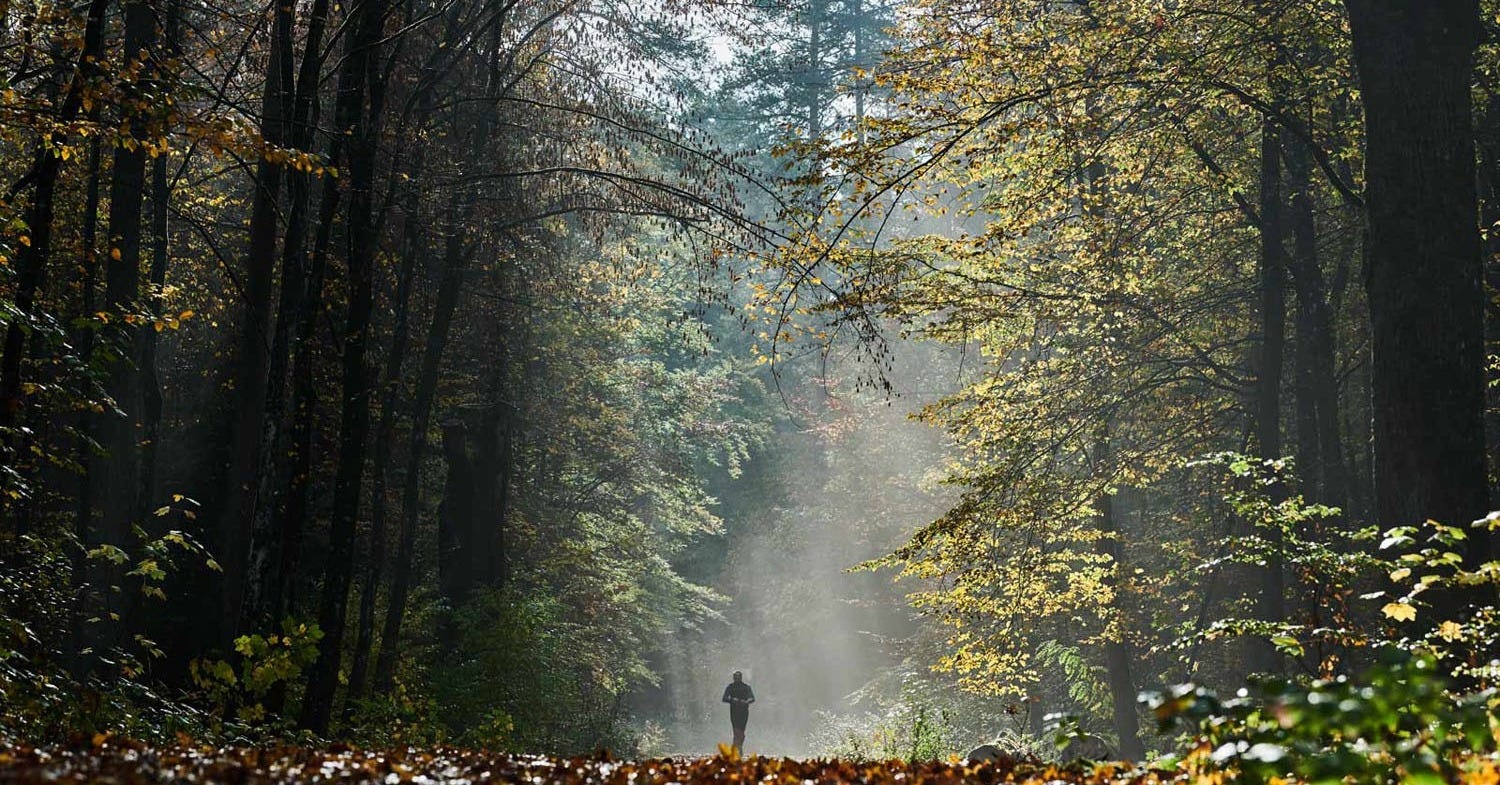
Last summer was a tipping point for me. Like a nightmare, unprecedented warm and strong winds hit us with 37 degrees Celsius in the Reichswald (Germany) — the forest where our daughter’s kindergarten is located could burn any moment. I could feel the fragility and emergency.
At the same time, Spain, Portugal and France were burning without any control or perspective to end. I felt disempowered, ignorant and sad. It was time to engage. Before the training I could not understand why this was happening and what we could do to prevent catastrophic fires, those that ripen off forest functioning for decades if not for generations. The ambitious program delivered lots of key learnings that I think deserve to be shared far and wide.
Forests are more than collections of trees. They are inspiring, beautiful, living, breathing systems that provide essential services to humans and wildlife. They sequester carbon, regulate water cycles, improve air quality, support biodiversity, and contribute to cultural and economic life. In many European countries like mine, forests cover roughly 70% of the territory, forming an essential part of the region’s ecological and social fabric. Yet, these forests are under growing threat from unecological fires—fires that are stripping landscapes of ecological function, resilience, and productivity.

The increase in fire risk is driven by multiple factors. Anthropogenic warming has created hotter, drier summers that stress trees and increase the likelihood of massive wildfires. At the same time, socio-economic changes such as urbanization, the abandonment of rural livelihoods have left forests denser and more uniform, with large areas dominated by highly flammable monocultures. These conditions reduce the forests’ natural resilience, making them more vulnerable to droughts, pests, and large-scale fires.
In this context, holistic landscape design is key. Effective interventions can restore resilience, maintain biodiversity, and ensure forests continue to provide essential ecosystem services over time. Among these interventions, fire prevention stands out as a proven and cost-effective tool. When implemented properly, it reduces the likelihood and severity of fires and supports the long-term sustainability of forest landscapes.
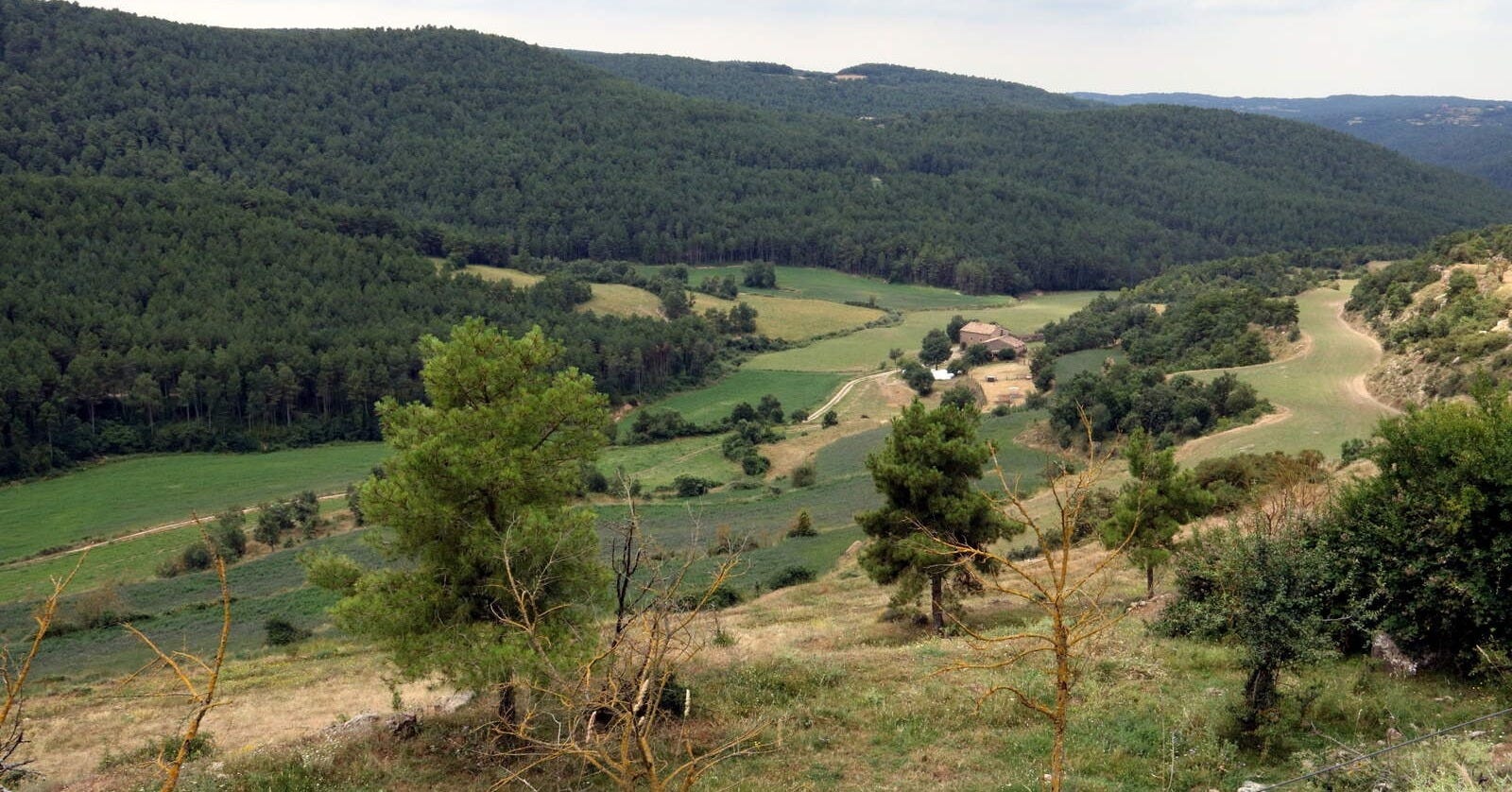
Before diving into fire prevention itself, it’s important to understand what we mean by forests and forest resilience. Forest resilience is not just about surviving fires or providing economic value—it is the capacity of forests to continue delivering ecosystem services over time, even under eventual stressors.
Fires as stressors are a natural part of many ecosystems’ evolution and can serve as regulators of vegetation density and diversity. That means that not all fires are equally harmful nor undesirable. However, “unecological fires”—large, intense, and destructive events—can eliminate forests’ capacity to provide essential ecosocial services. In that context fire prevention aims to reduce the likelihood and impact of these unecological events while allowing forests to maintain their natural ecological cycles.
To achieve this, we need an understanding of the risk factors behind unecological fires. Fire is a rare event resulting from a combination of conditions, including weather, topography, and human activity. Most recorded fires are caused by humans rather than natural phenomena like lightning. Negligent behaviors—such as leaving campfires unattended or using large machinery during high-risk periods—trigger many of these fires. Limiting risky activities on high-risk days is therefore an effective strategy on its own, but we need more.
This is due to the fact that among all factors, vegetation condition is the single most significantly influencing fire risk. Dry, dense biomass fuels fires, while landscapes with diverse species, varied tree densities, and effective management are far less likely to experience unecological fires. This highlights the critical role of forest management which means: careful landscape design and planning, fuel thinning, and controlled burns to substantially reduce fire risk.
Research consistently demonstrates that these actions reduce both the probability of fires starting and the total area burned. One should understand that these interventions are not one-off solutions; their effectiveness declines after about five years, meaning consistent, long-term management is necessary.
Beyond reducing fire risk, prevention is cost-effective. Fighting fires after they start is far more expensive per hectare than prevention, which also protects ecosystem services that are harder to value economically, such as soil health, water regulation, biodiversity, and carbon storage.

Despite the proven effectiveness of fire prevention, it remains underutilized, and Mediterranean countries continue to experience massive unecological wildfires. Recent summers have recorded exceptionally large burned areas, often concentrated in just a few extreme fires.
Why isn’t fire prevention more widespread? In Catalonia, one major challenge is financing. The regional government allocates roughly 20 million euros annually to fire-prevention plans—just 0.05% of the Generalitat’s total budget—despite forests covering 70% of the territory. Private forest managers, who own around 80% of Catalonia’s forests, face the costs for implementing preventive measures, often at an additional expense of reduced timber revenue, which is their primary income for most. Expecting landowners to fund interventions that primarily benefit society as a whole, from improved safety to the protection of ecosystem services, in such a sector with very low margins.

Landscape-level fire prevention also requires complex coordination. Effective plans must account for multiple actors and balance fire-risk reduction with other economic and environmental factors, such as residential, recreational, and agricultural uses, as well as species protection and habitat conservation.
Designing and implementing these interventions often requires years of coordination, planning, legal approvals, and consensus-building. Recent experiences demonstrate that landscape-level fire prevention is possible despite the challenges (see the Case of Cap de Creus and Albera, la Muga). At the time of writing this, many high-risk municipalities still lack comprehensive preventive measures.

Addressing these challenges requires a new paradigm in landscape management and financing. Forest interventions cannot be reduced to timber production or tourism. Instead, forest custody is about the maintenance and regeneration of forest and ensures the continued provision of ecosystem services.

A holistic, ecosystem-services approach to forest management can provide stable income streams to forest workers, transforming fire prevention from a costly obligation into a rewarding component of sustainable management. This could involve flexible interventions—such as creating fire-preventive pastures, controlled burning, or selective thinning—tailored to local ecological conditions, terrain, and resources. By integrating these measures into a decentralized, ecosystem-services framework, economic means align with environmental goals, maximizing ecological and social benefits.
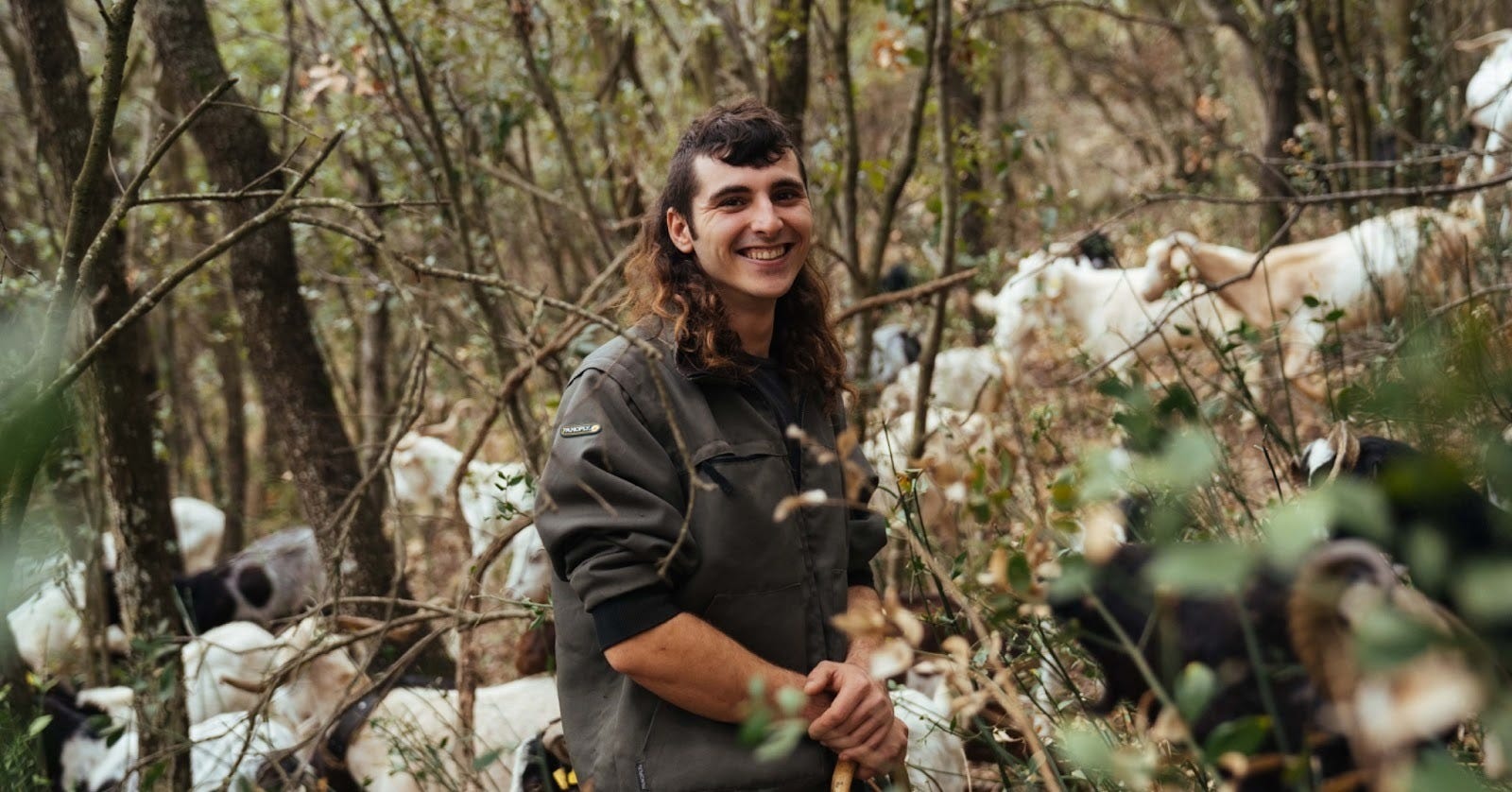
These benefits extend beyond the forest itself. Improved management can support rural livelihoods, allowing farmers to cooperate with forest managers, for example, by using livestock to manage undergrowth and reduce fire risk while restoring sustainable agriculture. Investments in bioeconomy initiatives, such as responsibly sourced timber and local energy production, can reduce fossil fuel imports, generate responsible products, and new economic opportunities in rural areas that are losing population.
For too long, forestry and fire prevention have been marginalized, despite forests covering two-thirds of Catalonia and an increasing part of the world. It is time to reimagine forests not as a peripheral resource but as central to ecological, economic, and social prosperity. By protecting forests and implementing fire prevention, we safeguard essential ecosystem services, protect communities, and build a sustainable rural economy that balances human needs with ecological stewardship.
In conclusion, unecological fires are a growing threat driven by climate change, land abandonment, and monocultures. Forest management, particularly fire prevention, offers a cost-effective, proven, and scalable solution. Achieving this at scale requires more than money: it demands public logic, holistic policy and strong cooperation with local communities. By embracing this holistic vision, we can protect our forests, support rural communities, and ensure that the multiple benefits of forests continue for generations to come.
Link to the full Article with links and sources.
Cover Photo “Reichswald in fall” (credits: nuremberg.de)
