
Patagonia: A work in progress, or a word of warning?

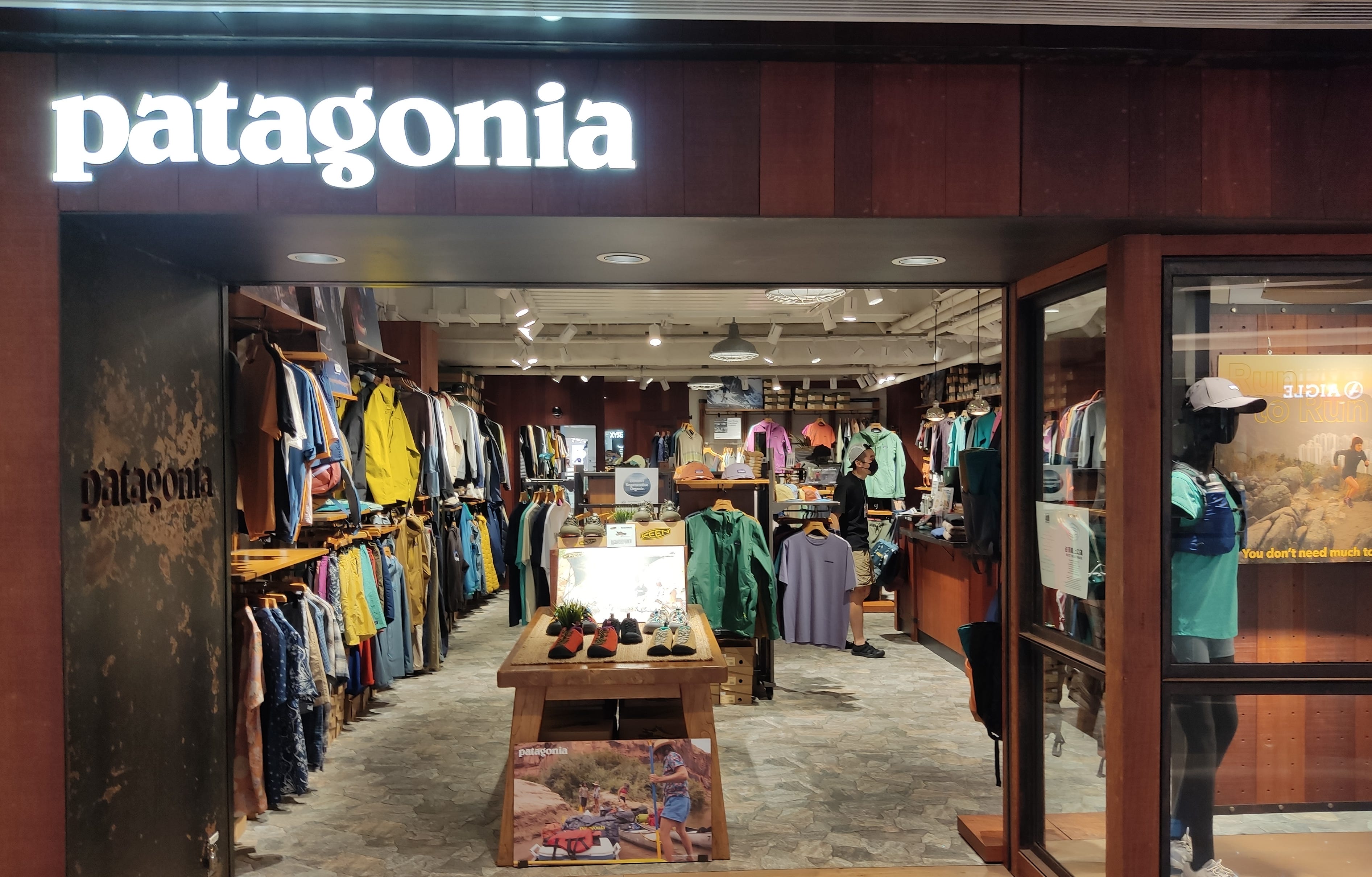
A couple of months ago, Patagonia—the outdoor clothing company—released its “Work in Progress” Report, an attempt at transparency in a world where supply chains are murky, the true scale of greenhouse gas emissions is unknown, and human rights violations abound.
Much of the response from the rest of the world was conflicted celebration: celebration because Patagonia’s effort to be transparent about its failings is first-of-its-kind, but conflicted because Patagonia’s own thesis indicated they are failing to neutralize the company’s negative impact on the environment.
Patagonia has been in business for about half a century, and three years ago, the corporation changed its ownership structure to devote a full 100 percent of the profits not put back into the company towards protecting and restoring nature. Yet Patagonia still fails to have a net-positive impact: most of the factories they use do not pay a living wage (p. 72), they still emit over a hundred thousand metric tons of carbon dioxide every year (p. 85), and 85 to 90 percent of their products do not have an end-of-life solution (p. 96).
Despite all of this, the company still believes that continued growth is an important component of their business model (p. 27). They may be more cautious of unchecked growth, but they fully intend to continue producing (and wasting, and emitting): “We’ve learned that growth, if unchecked, can harm the very things we want to protect. More products mean more emissions, more waste and more strain on people and systems. We’ve also learned that some paths to growth can compromise our values and jeopardize our credibility with customers... We’re actively trying to manage our growth—not to stop it, but to shape it” (p. 27).
Highlighting Sustainability Wins
I would be remiss not to mention the important wins this report does highlight, though, because it’s not all bad. One example is their efforts to decarbonize their supply chain (which accounts for 99% of their emissions), the company fronted the cost of steam boiler to replace the coal powered one at one of their raw materials suppliers (p. 92). The report includes a quote from Kim Drenner, Patagonia’s Head of Environmental Impact:
“Large-scale decarbonization is expensive,” says Drenner. “So the elephant in the room is, who is going to pay for this? Brands keep talking about the need for this, but continue to fluctuate their orders with suppliers and press on price, and then complain when suppliers are not making progress. We’re testing a way for a brand to funnel money directly into a supplier’s hands, completely separate from their business order” (p.92).
Patagonia’s efforts show integrity, and indicate real care for the planet. I have no doubt that Yvon Chouinard and the rest of Patagonia’s Board of Directors care deeply about climate change.
And in some ways, Patagonia is the kind of leader we need. The decision to make Earth the only shareholder of a company, and for all profits to be put towards caring for her, was a bold one, and Patagonia should be commended for doing the work. At the end of the day, politicians and governments, citizens and customers can have some influence over progress, but in order for us to get out of the mess that we’re in, businesses themselves need to step up and take responsibility.
But let us be clear, so long as Patagonia—or any company for that matter—has its eyes set on growth, climate change will still claim us all as victims.
Is Sustainable Fashion Even Possible?
We need companies with integrity. We need CEOs who understand that without a livable planet, there is no money to be made. Most of all, we need organizations that are willing to do critical self-reflection and realize that the business they’re in is fundamentally unsustainable. Patagonia certainly has done some level of critical self-reflection, but the overall takeaway from their report is underwhelming.
While Patagonia may recognize that growth and profit should not come before the environment or wellbeing (p. 21), the fashion industry as a whole is not there yet. Does Patagonia have a responsibility to see itself as one part of the whole? If Patagonia truly believes that the health of the planet should come first, should it take other clothing companies’ impact into consideration when determining how to proceed? For any company to truly become a champion of Mother Earth, it would have to consider not just its own impact, but the impact of the collective.
Nowhere in the report did Patagonia consider discontinuing the use of virgin materials or becoming an organization that primarily reuses and repurposes materials (either from its own existing product inventory, or from other companies’ products). With “over 100 billion clothes [produced] annually... This number surpasses by far the global demand” (Tsagkari, R&D Policy Brief). We already have enough clothes on this planet; there is simply no need to make new clothing from scratch. A company that acknowledges that reality, and seeks to make use of what already exists, would signify true progress.
What we need to accept, and what the report fails to acknowledge, is that the solution to that isn’t to innovate more, it’s to stop participating. We can celebrate Patagonia for being willing to take steps no other international for-profit company has. But we must also be clear that the only real solution, and the only way for any clothing company to be a true champion for the environment, is for it to discontinue all new production and reconfigure itself into an organization that solely reuses, repurposes, and resells existing material. This must be the future of fashion.
For more information on what the future of fashion could look like in a world where growth and profit are not prioritized, check out Hot or Cool’s Report Unfit, Unfair, Unfashionable: Resizing Fashion for a Fair Consumption Space, and Research & Degrowth’s Policy Brief Clothing the Planet Within Limits: A Degrowth Approach to Fashion.
Photo: Yanghime TADIWODOA BBAEW (cc)
 | A guest post by
|
I skimmed the report a while back, thanks for the reminder to check it out!
Even with admirable changes to ownership, the underlying logic as a for-profit company is still "growth," even if profits are redirected to climate action. As you say, most of their factories don't pay a living wage, which is what directly enables profit to be later used "for good" in the first place